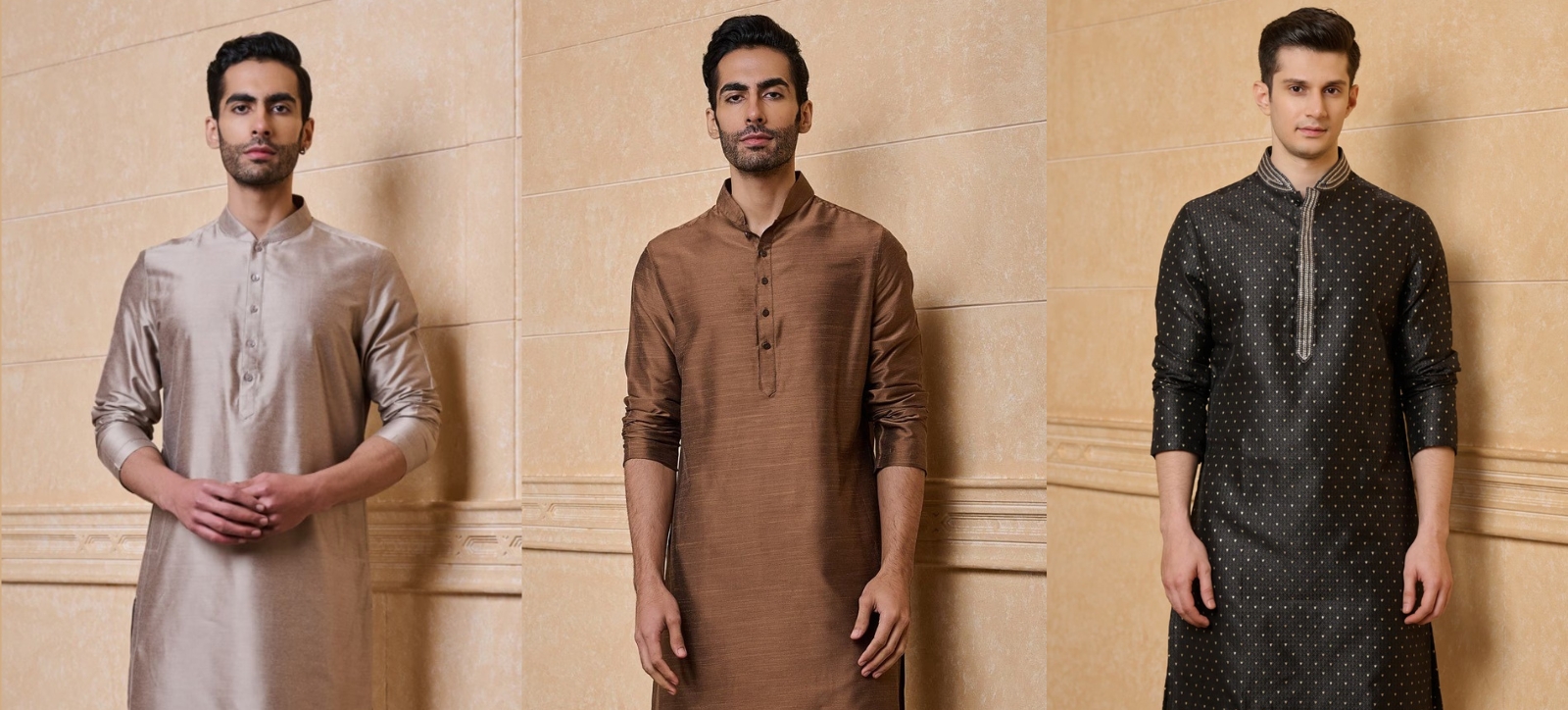
People often argue about achkan and sherwani when it comes to traditional Indian men’s clothes, especially for weddings and other special occasions. Each outfit has a lot of history, a royal look, and its own style. You need to know what the difference is, though, so you can pick the one that works best for you and the event. In 2025, sherwanis dominated over 25% of the men’s ethnic wedding wear market in India, favored by most grooms for their ornate designs and royal appeal. Achkans hold about 10-15% of the market, preferred for lighter, semi-formal, and daytime wedding events. This will help you learn more about traditional clothes by pointing out the main differences between an achkan and a sherwani.
What is the Main Difference Between an Achkan & Sherwani?
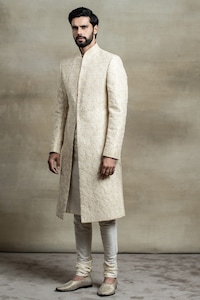
The basic yet most important question: what is the main difference between an achkan & a sherwani? While both are long coats worn over a kurta and churidar or trousers, the sherwani is generally longer, heavier, and more ornate. The achkan, on the other hand, has a slimmer fit and is usually knee-length, making it lighter and more streamlined. The sherwani’s design evolved to represent grandeur and is mostly chosen by the groom for wedding functions. Achkans are also worn by grooms but often feature simpler, more minimal embroidery and detailing.
The main difference between an achkan and a sherwani is how they look and how they are used. The sherwani is big because it flares out below the waist. The achkan, on the other hand, has a straight, sharp cut that fits the body more closely. The choice of fabric and the decorations also show the difference. Heavy embroidery and thick brocades are used to make sherwanis. Achkans are made of silk blends that look good and feel good without being too heavy.
Sherwani vs Achkan: Origins and Evolution
The achkan goes back to the Mughal and Rajput eras. At first, Indian nobles wore it as an outer layer. It was made for formal events, but the main goals were comfort and ease of movement. The sherwani was originally worn by Mughal royalty, but the British changed it to show status when they took over. It was often heavier and had more intricate embroidery for royal courts and ceremonies.
Tasva, a reputed clothing aggregator, offers beautiful collections of both achkans and sherwanis for men that blend tradition with contemporary masculinity. Their achkans for men are known for sharp tailoring and premium fabrics, while their sherwani for men line showcases intricate embroidery and luxurious textures fit for grand occasions.
Sherwani vs Achkan: Difference in Styling and Fit
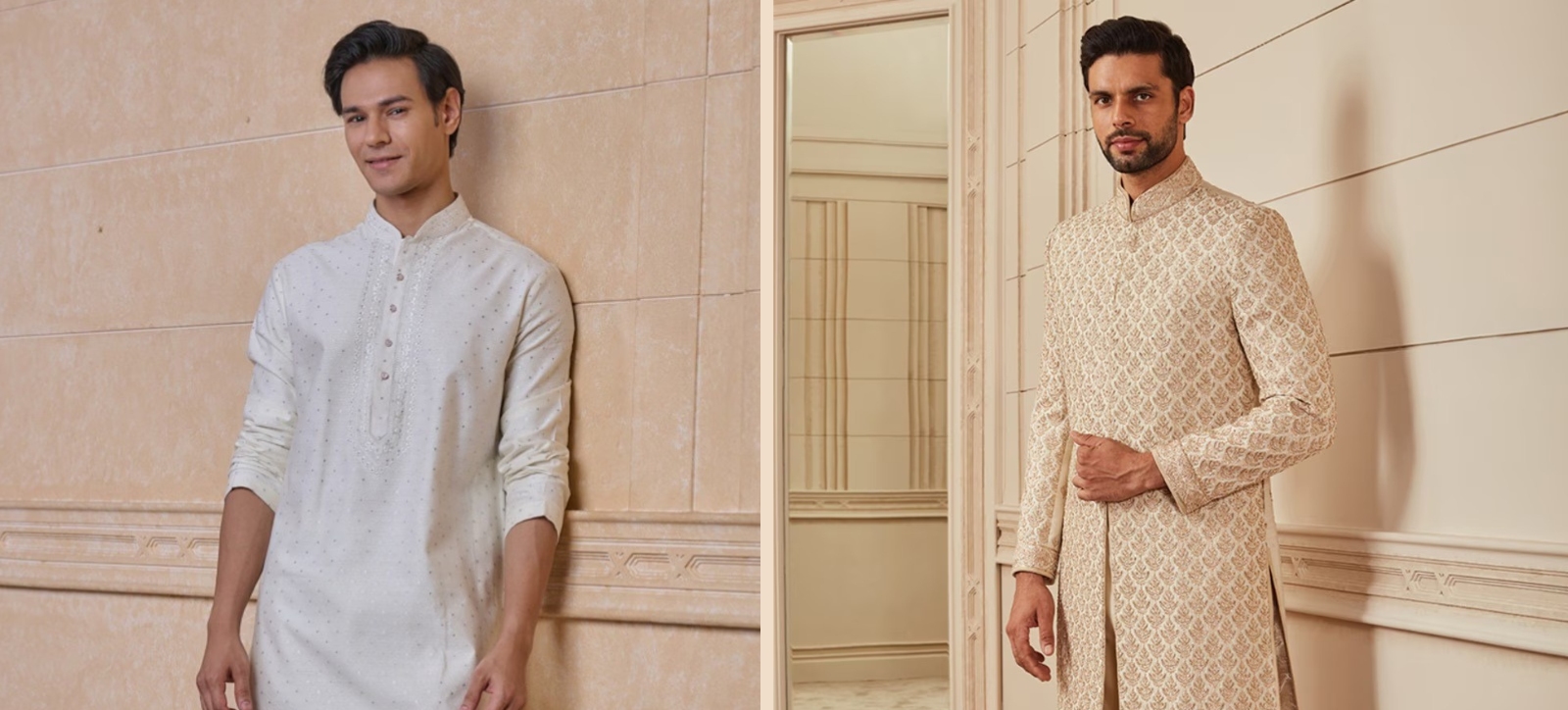
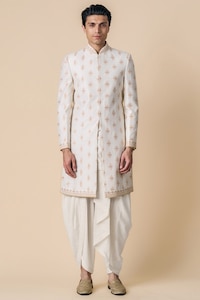
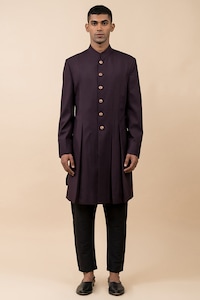
The fit and level of detail are two of the main things that set a sherwani apart from an achkan. Most of the time, achkans have a slim, body-hugging shape and a front button closure that goes straight down. The design is simple, with only a little bit of embroidery or brocade work. Achkan are easier to move around in because they usually end at or above the knee. This makes them perfect for events during the day or before the wedding.
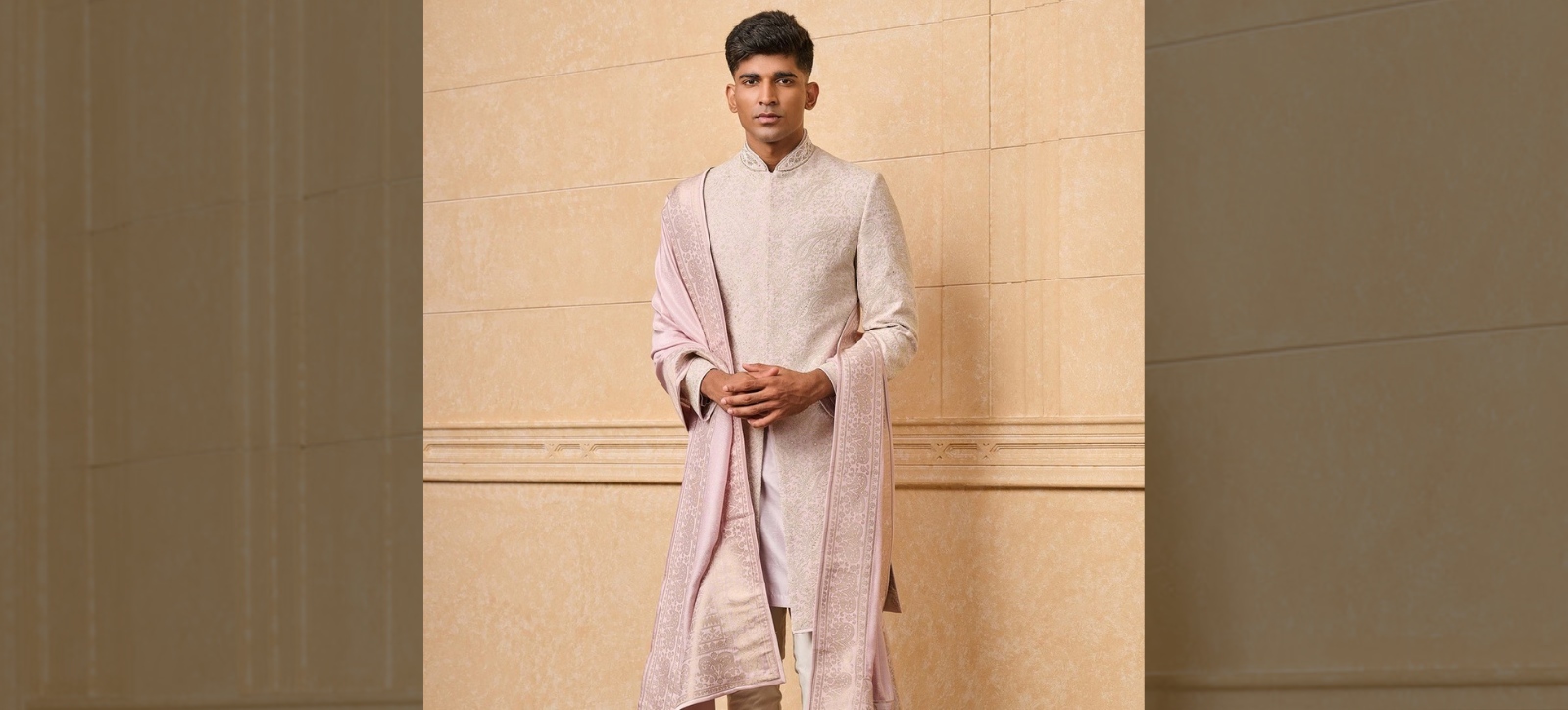
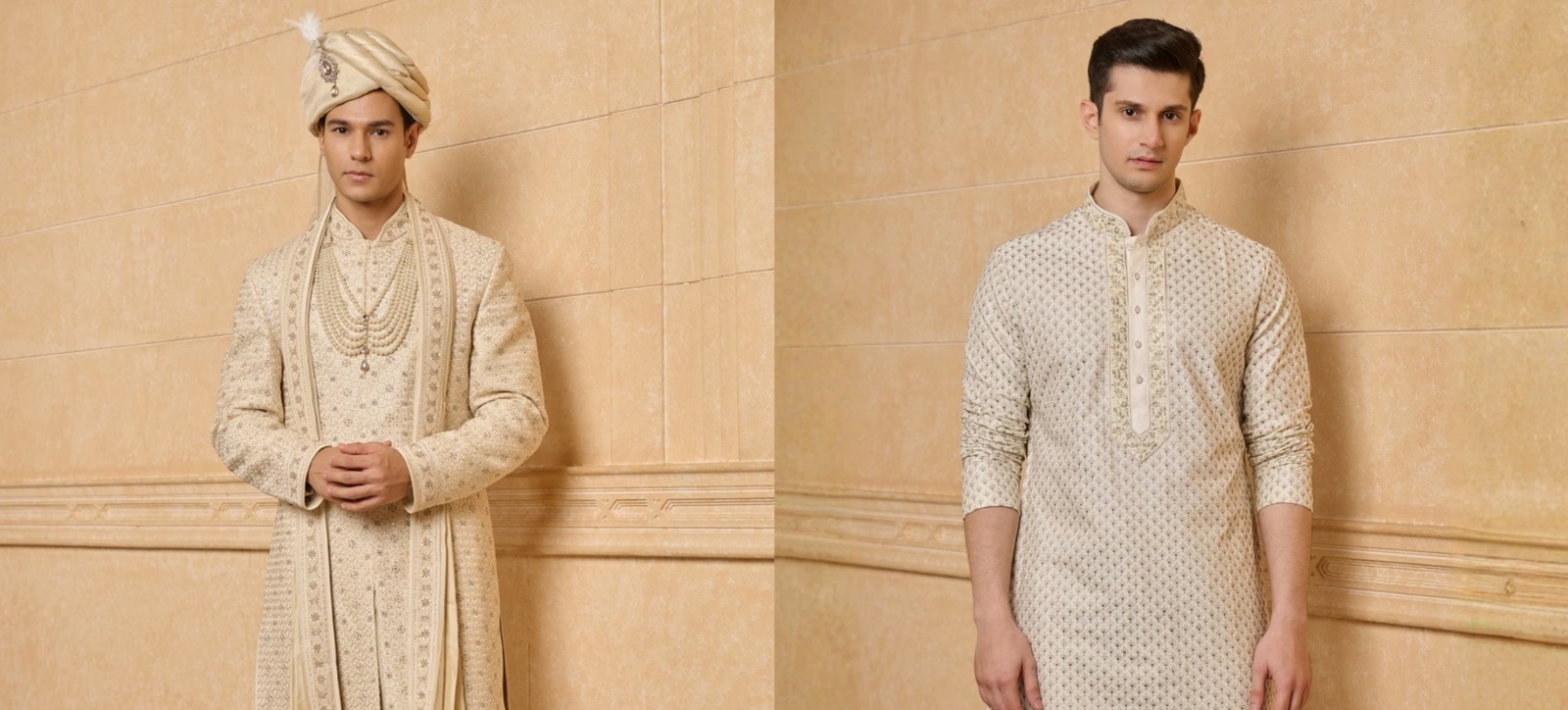
Sherwanis, in comparison, are longer, falling below the knees or toward the calves, and are designed with more dramatic flares that give a regal and majestic look. They often feature heavy adornments such as zari, zardozi, or embellished collars, cuffs, and hems. Sherwanis are preferred for weddings, especially for grooms who want to make a royal statement.
Completing the sherwani look often involves pairing it with accessories such as malas for men and traditional mojaris for men to amplify its grandeur. In contrast, achkans can be styled with simpler ethnic jewellery for men and matched with lighter footwear choices for a refined but understated look.
Differences in Occasion and Comfort
The fit and level of detail are two of the main things that set a sherwani apart from an achkan. Most of the time, achkans have a slim, body-hugging shape and a front button closure that goes straight down. The design is simple, with only a little bit of embroidery or brocade work. Achkan are easier to move around in because they usually end at or above the knee. This makes them perfect for events during the day or before the wedding. Sherwanis are the go-to choice for wedding day wear and grand receptions due to their heavier fabrics and elaborate embroidery.
Sherwanis have a structured shape that draws attention and emphasises formality. This makes them a symbol of traditional Indian wedding clothes for the groom. Tasva’s collections take these differences into account and offer a wide range of sherwanis and achkans that are perfect for different types of weddings and celebrations. This makes it easy for a groom or guest to find the right outfit.
Fabric and Craftsmanship: Achkan vs Sherwani
You also need to know how the fabric and how the clothes are made affect how they look to tell the difference between a sherwani and an achkan. Silk, brocade, or cotton-silk blends are some of the lighter materials used to make achkans. They usually have light, delicate decorations on them, like threadwork or metal buttons that look nice without adding weight.
Sherwanis are made of thicker fabrics like jamawar and brocade. They have a lot of detailed embroidery and other decorations on them that show off handicraft traditions that have been passed down through the years. People should wear these clothes to show off their culture and make a point. Tasva’s beautiful embroidery and carefully chosen fabrics take traditional craft to a whole new level. Their textured achkan designs for men and richly woven sherwani for men both pay homage to Indian culture while adding a modern touch.
How to Decide: Achkan or Sherwani?
Choosing between an achkan and a sherwani should be based on the occasion, desired style impact, and comfort level. The main difference between an achkan & sherwani also reflects their intent. Achkans are for understated elegance and ease, sherwanis for grandeur and tradition. If the event calls for a subtle yet stylish appearance, an achkan paired with ethnic jewellery for men and sleek mojaris for men makes a perfect combo. Tasva’s achkans for men collection exemplifies this balance of tradition and contemporary style.
For occasions demanding a regal, all-out traditional look, the sherwani for men, accentuated with statement malas for men and classic mojaris, will serve as the crown jewel of your wardrobe. Tasva’s sherwani offerings focus on luxurious designs that amplify the groom’s presence on his special day.
Choose Your Style Confidently
The debate between achkan and sherwani comes down to the situation and your own taste. Both outfits are very important to their cultures and are meant to help you look your best in different situations. You can choose the right outfit for the event and for your own comfort if you know the difference between a sherwani and an achkan. Tasva is a great place to look into these options because it has achkans and sherwanis that are carefully made to honour Indian culture while also appealing to the modern man. IN 2026, choose your outfit with confidence and let it tell the story of your style, tradition, and elegance.